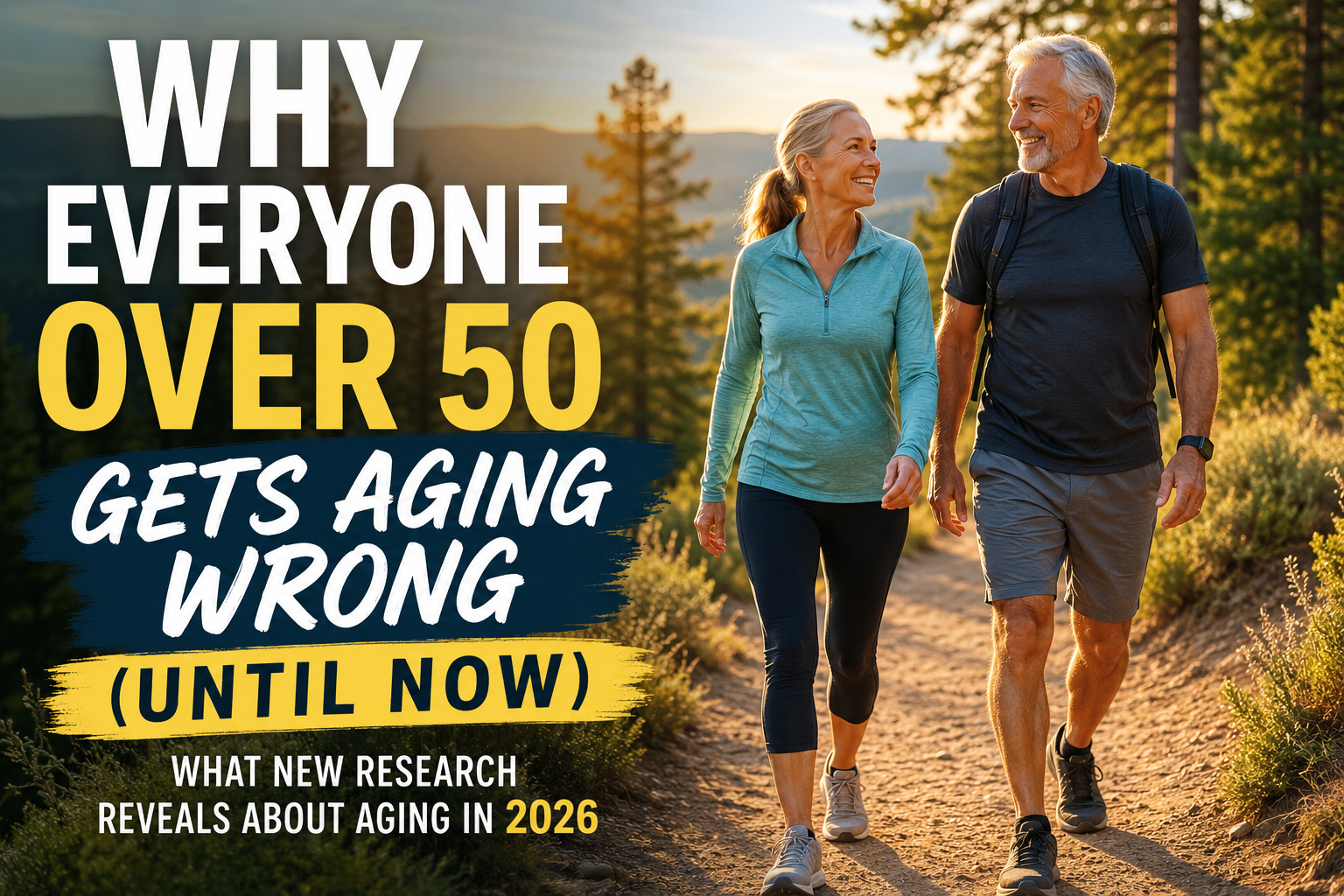
Most people over 50 believe aging is a slow, unavoidable decline. They assume lower energy, weaker muscles, poor sleep, and chronic aches are simply part of getting older.
But new research in 2026 is challenging that belief.
Scientists are discovering that your biological age may matter far more than the number of candles on your birthday cake. Two people can be the same age on paper yet have dramatically different levels of health, strength, energy, and vitality.
The difference often comes down to daily habits.
These healthy aging after 50 tips for 2026 focus on improving how your body functions rather than simply counting birthdays.
Healthy Aging After 50 Tips in 2026: Why Biological Age Beats Calendar Age
Your biological age measures how old your body functions based on important health markers tied to inflammation, metabolism, and cellular health.
Your chronological age simply tells you how many birthdays you’ve celebrated.
Biological age tracking has become one of the fastest-growing wellness trends among adults over 50 because it provides a clearer picture of overall health.
Some people are 65 years old chronologically but have the biological markers of someone much younger.
Today, testing for biomarkers and biological age is becoming more common. Instead of guessing which health habits are helping, people can use data to see real progress.
While calendar age only tells part of the story, biological age offers valuable insight into how well your body is aging.
Strength Training Creates the Foundation for Healthy Aging After 50
After age 50, adults naturally lose between 1% and 2% of muscle mass each year. Strength can decline even faster, especially after age 60.
This loss of muscle can affect balance, mobility, independence, and overall quality of life.
The good news is that resistance training remains one of the most effective ways to slow or even reverse these changes.
The latest recommendations encourage adults over 50 to train all major muscle groups at least twice per week.
You do not need an expensive gym membership. Resistance bands, dumbbells, and bodyweight exercises can all produce excellent results.
Combining resistance training with adequate protein intake helps support muscle growth, recovery, and long-term strength.
Take Action Today
- Use resistance bands twice this week.
- Perform bodyweight squats and wall pushups.
- Aim to include protein with every meal.
Plant Protein Powers Healthy Aging More Than Most People Realize
Research continues to show impressive benefits from plant-based protein sources.
Women who consumed the highest amounts of plant protein during midlife were significantly more likely to reach older age free from major chronic diseases while maintaining good physical and cognitive function.
High-quality carbohydrates from fruits, vegetables, legumes, and whole grains also support healthy aging.
These foods provide fiber, vitamins, minerals, and antioxidants that help reduce inflammation and support cellular repair.
Highly processed foods and refined carbohydrates offer far fewer benefits and may contribute to long-term health challenges.
The goal is not perfection. Small improvements in food quality can create meaningful results over time.
Take Action Today
- Add beans or lentils to meals several times per week.
- Choose whole fruit instead of sugary snacks.
- Replace refined grains with whole grains whenever possible.
Healthspan Science Is Changing How We Think About Aging
For decades, the focus was simply on extending lifespan.
Today, researchers are increasingly focused on healthspan — the number of years a person remains healthy, active, mobile, and mentally sharp.
Most people want not only a longer life but also more years filled with energy, independence, and purpose.
Scientists now view aging as a breakdown in communication between important systems such as metabolism, immunity, hormones, and cellular energy production.
When these systems stay coordinated, people tend to maintain better overall health as they age.
This is why healthy aging requires a complete lifestyle approach rather than a single supplement or quick fix.
Sleep Quality May Be the Missing Piece
Sleep challenges affect a large percentage of adults over 50.
Many people assume poor sleep is simply part of aging, but that is not always true.
Changes in sleep patterns do occur naturally with age. However, conditions such as insomnia and sleep apnea are also common and often go undiagnosed.
Poor sleep can affect energy levels, mood, cognitive function, recovery, and physical performance.
Quality sleep supports nearly every aspect of healthy aging.
If sleep problems persist, speaking with a healthcare professional may help identify underlying causes.
Take Action Today
- Keep a consistent bedtime schedule.
- Reduce screen exposure before bed.
- Talk with your doctor about persistent sleep problems.
What New Supplement Science Says About Healthy Aging
Research into healthy aging supplements continues to expand.
Several ingredients have attracted attention for their potential roles in supporting cellular health, energy production, and healthy aging.
Among the most studied are CoQ10, magnesium, collagen, curcumin, and NAD+ supporting compounds.
These nutrients may help support mitochondrial function, muscle health, recovery, and overall wellness.
Research suggests effective dosages are important, and results can vary depending on the individual and product quality.
As with any supplement, it is wise to consult your healthcare provider before beginning a new regimen, especially if you take medications.
Your Environment Shapes How You Age
Many people overlook the powerful impact their surroundings have on health.
Factors such as walkability, lighting, access to nature, and social connection can significantly influence mobility, mood, and cognitive function.
Communities designed for movement naturally encourage healthier habits without requiring constant motivation.
Simple changes such as improving home lighting, spending more time outdoors, or walking in your neighborhood can create meaningful benefits.
Sometimes the easiest way to improve health is to make healthy choices easier to perform every day.
Frequently Asked Questions
What is the most important healthy aging habit after 50?
Strength training is often considered one of the most valuable habits because maintaining muscle mass supports mobility, balance, metabolism, and independence.
How much plant protein should adults over 50 eat?
Most adults benefit from including plant protein sources such as beans, lentils, chickpeas, and whole grains regularly throughout the week.
Are longevity supplements worth taking?
Some supplements have promising research behind them, but they work best when combined with healthy lifestyle habits rather than replacing them.
Can biological age improve?
Research suggests that healthy lifestyle changes such as exercise, improved nutrition, quality sleep, and stress management may positively influence biological aging markers.
Why do sleep problems become more common after 50?
Changes in sleep architecture occur naturally with age, but many sleep issues are treatable and should not automatically be considered normal.
Final Thoughts
The biggest mistake many people make is assuming aging automatically means decline.
The latest research suggests otherwise.
By focusing on strength training, nutrition, quality sleep, environmental design, and overall lifestyle habits, adults over 50 can support healthier, more active years ahead.
You may not be able to control your chronological age, but you can influence how well your body functions as the years go by.
Start this week by adding two strength-training sessions to your schedule. Your future self will thank you.