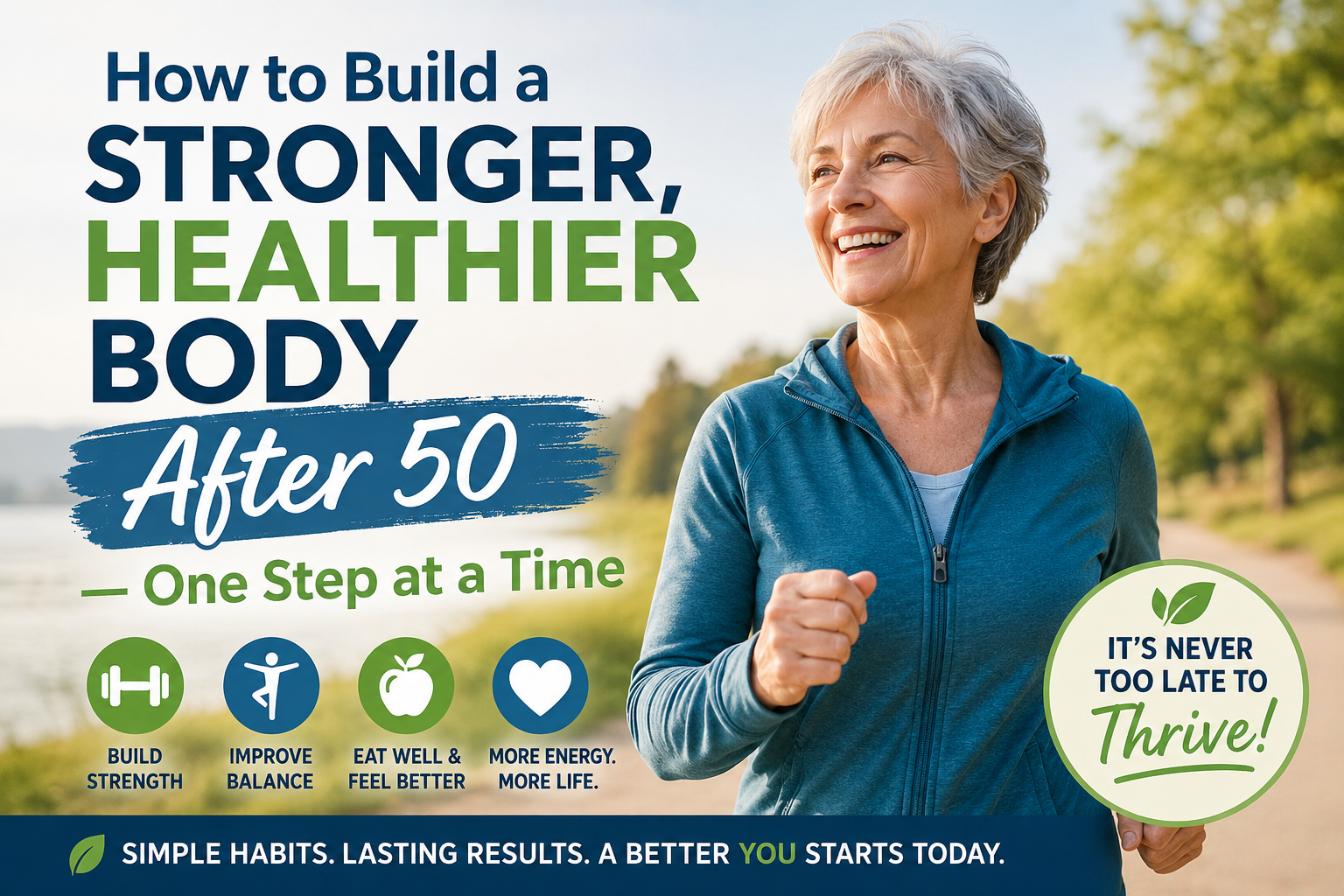
How to Build a Stronger Healthier Body After 50. Reaching your 50s does not mean slowing down. In many ways, it can be the beginning of one of the healthiest and most rewarding chapters of your life. While your body may change over time, those changes do not have to define what you are capable of doing. The encouraging news is that small, consistent habits can make a powerful difference.
Whether your goal is to have more energy, improve your balance, build strength, lose a few pounds, or simply feel better day to day, it is never too late to begin. You do not need expensive equipment, long workouts, or a perfect diet. A short walk, a few strength exercises, better sleep, and smarter food choices can all work together to help you feel healthier, stronger, and more confident. This guide will show you practical ways to build a stronger, healthier body after 50—one step at a time.
Building a Fitness Plan That Works With Your Body After 50
Fitness after 50 works best when it respects your body instead of fighting against it. Your joints, muscles, sleep patterns, and energy levels may be different than they were years ago, but that simply means your approach should be smarter and more sustainable. Warming up before exercise, giving your body time to recover, and choosing activities that feel good are all important parts of long-term success.
The goal is not to push yourself into exhaustion. The goal is to build habits you can actually stick with. Movement helps support your metabolism, balance, flexibility, and overall energy. Even simple activities like walking, stretching, gardening, or light strength training can help your body stay active and capable. Sleep also plays a big role in how you feel.
Getting seven to eight hours of quality rest can support recovery, appetite control, mood, and energy. When sleep improves, healthy habits often become easier to maintain.
Build Strength and Stay Active for Years to Come
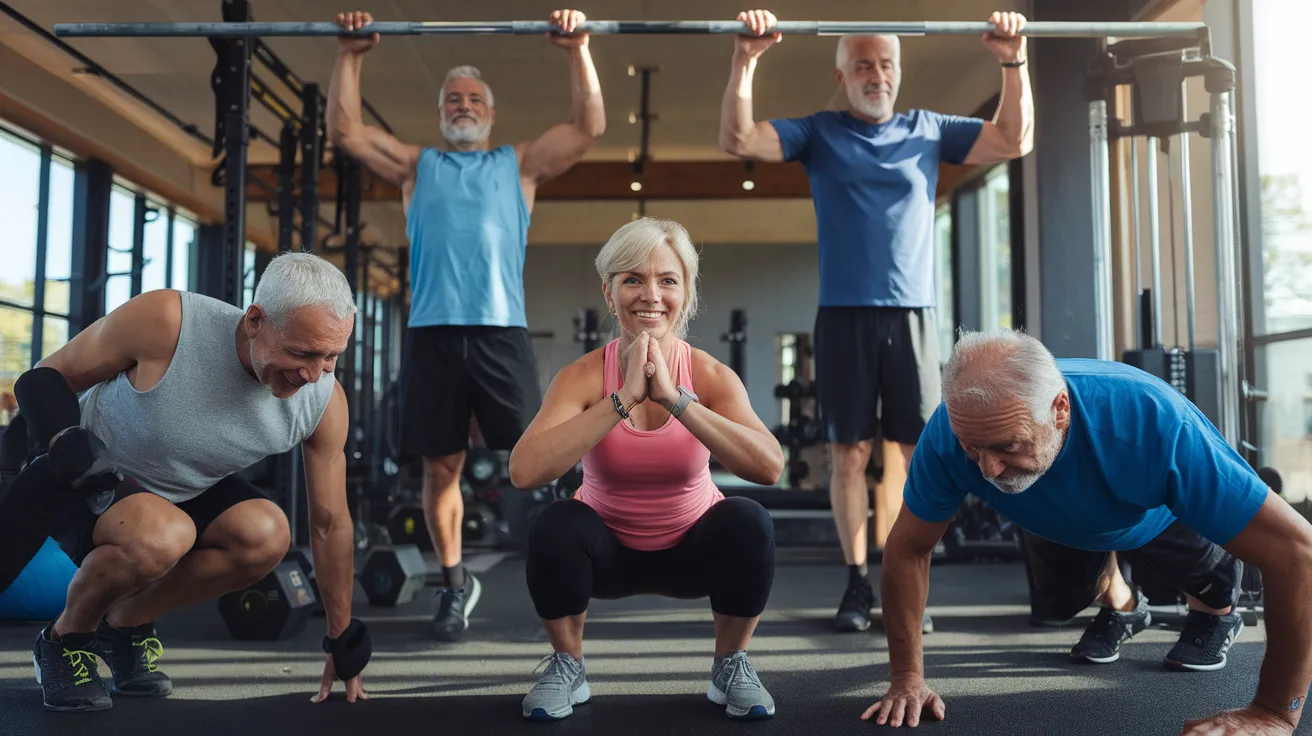
Strength training is one of the best habits you can build after 50. It helps support muscle, balance, posture, bone strength, and everyday independence. The good news is that you do not need to join a gym or lift heavy weights to get started. Bodyweight exercises, resistance bands, light dumbbells, and simple home workouts can all help you build strength over time.
Squats can help strengthen your legs for climbing stairs, standing up from a chair, and moving with more confidence. Wall pushups can help build upper-body strength without putting too much pressure on your wrists or shoulders. Resistance bands are affordable, easy to store, and useful for a wide variety of exercises. Focus on simple movements that support real life. Exercises that strengthen your legs, back, core, arms, and shoulders can make everyday activities easier.
Carrying groceries, getting out of a chair, walking uphill, or playing with your grandchildren all become easier when your body is stronger. Rest days matter too. Your body gets stronger during recovery, not just during the workout itself. Giving your muscles time to rest helps you avoid soreness, stay motivated, and keep making progress.
Improve Balance, Flexibility, and Confidence
Balance and flexibility are easy to overlook, but they make a big difference in how confident you feel moving through daily life. A few minutes a day can help improve stability and mobility. One simple balance habit is standing on one foot while brushing your teeth or standing near a counter. Hold for a few seconds on each side and build up slowly.
Over time, this can help strengthen the small stabilizing muscles in your feet, ankles, hips, and core. Stretching can also help your body feel looser and more comfortable. Tight hips, hamstrings, shoulders, and calves can make everyday movement feel harder than it needs to be. Gentle stretching for five to ten minutes a day can support better mobility and make exercise feel easier. Yoga, light mobility routines, and simple stretching can combine strength, balance, breathing, and flexibility in one practice.
You do not need advanced poses to benefit. Even basic movements can help you feel more comfortable and capable. Before exercise, use gentle dynamic movements like arm circles, shoulder rolls, or leg swings to warm up. After exercise, when your muscles are warm, you can use slower stretches to help your body relax and recover.
Fuel Your Body With Foods That Help You Feel Your Best
Nutrition after 50 is not about strict rules or perfection. It is about giving your body the support it needs to stay strong, energized, and healthy. Protein becomes especially important because it helps support muscle maintenance and recovery. Good options include eggs, Greek yogurt, lean meats, fish, beans, cottage cheese, tofu, and protein smoothies.
Starting your day with protein can help steady your energy and keep you feeling satisfied longer. Instead of only having cereal or toast, consider adding eggs, yogurt, or another protein-rich food to breakfast. Calcium and vitamin D are also important for bone health. Dairy products, leafy greens, fortified foods, and safe sunlight exposure can all help support your body. Some people may need to ask their doctor about checking vitamin D levels, especially during winter months.
Fiber is another powerful part of healthy aging. Vegetables, fruits, beans, oats, and whole grains help support digestion, heart health, and appetite control. Hydration matters too. Many people feel less thirsty as they get older, but the body still needs water. Drinking water throughout the day can help support energy, digestion, and exercise performance.
Simple Daily Habits That Lead to Lasting Results
The most successful fitness routine is the one you can repeat. You do not need to change your entire life overnight. In fact, trying to do too much too quickly often makes healthy habits harder to maintain. Start with one habit. A ten-minute walk. A short stretching routine. A few wall pushups. A protein-rich breakfast. One small win can build momentum for the next one.
Try scheduling your movement at the same time each day. Morning walks, lunchtime stretches, or evening strength exercises can become part of your normal routine when they happen consistently. Tracking your progress can also help. Write down what you did and how you felt. Over time, you will be able to look back and see how far you have come.
Choose activities you actually enjoy. If you dislike gyms, try walking, swimming, dancing, hiking, cycling, or exercising at home. The best workout is the one you will keep doing. Social support can make the journey more enjoyable. Walking with a friend, joining a class, or sharing your goals with someone close to you can help you stay encouraged and accountable.
Smart Tips to Help You Stay Safe and Keep Making Progress
One of the best ways to stay consistent is to listen to your body. Mild effort is normal during exercise, but sharp pain is a signal to stop. If pain continues, it is wise to rest and speak with a healthcare professional.
Warmups are worth the time. Five to ten minutes of light movement before exercise can help your body feel ready and reduce the chance of discomfort.
It also helps to focus on your own progress instead of comparing yourself to someone else. Everyone starts from a different place. What matters most is that you are moving forward at a pace that works for you. Many people are surprised by how much progress is possible after 50.
Strength, energy, mobility, and confidence can improve at almost any age when you give your body the right support. Sleep, nutrition, movement, hydration, and recovery all work together. When you improve one area, the others often become easier too.
Frequently Asked Questions
How many days per week should adults over 50 exercise?
Aim for some type of physical activity most days of the week. This can include walking, stretching, light cardio, or strength training. Strength training two to three days per week is a helpful goal, while walking or other gentle movement can be done more often.
Is it safe to start lifting weights after age 50 with no experience?
Yes, many adults can safely start strength training after 50 when they begin slowly and use proper form. Light weights, resistance bands, wall pushups, and bodyweight exercises are good starting points. If you have health concerns or previous injuries, talk with your doctor or a qualified trainer before beginning.
What type of cardio is easiest on the joints?
Walking, swimming, cycling, water aerobics, and elliptical machines are often easier on the joints than running. Choose activities that feel comfortable during and after exercise.
How long does it take to see results from exercise after 50?
Many people notice better energy, mood, and sleep within a few weeks. Strength and body composition changes usually take longer, often several weeks or months. The key is consistency, not perfection.
Can diet alone improve health without exercise after 50?
Healthy eating can make a big difference, but movement adds benefits that food alone cannot provide. Exercise helps support muscle, balance, bone strength, flexibility, and heart health. Combining good nutrition with regular movement is one of the best approaches.
Final Thoughts
Building a stronger, healthier body after 50 is not about being perfect. It is about making steady progress with simple habits that fit your life. Every walk, every strength exercise, every healthy meal, and every good night of sleep is a step in the right direction. Small actions really do add up over time. Your best years of health may still be ahead of you. Start today, stay consistent, and keep taking one positive step at a time. Your future self will thank you.