
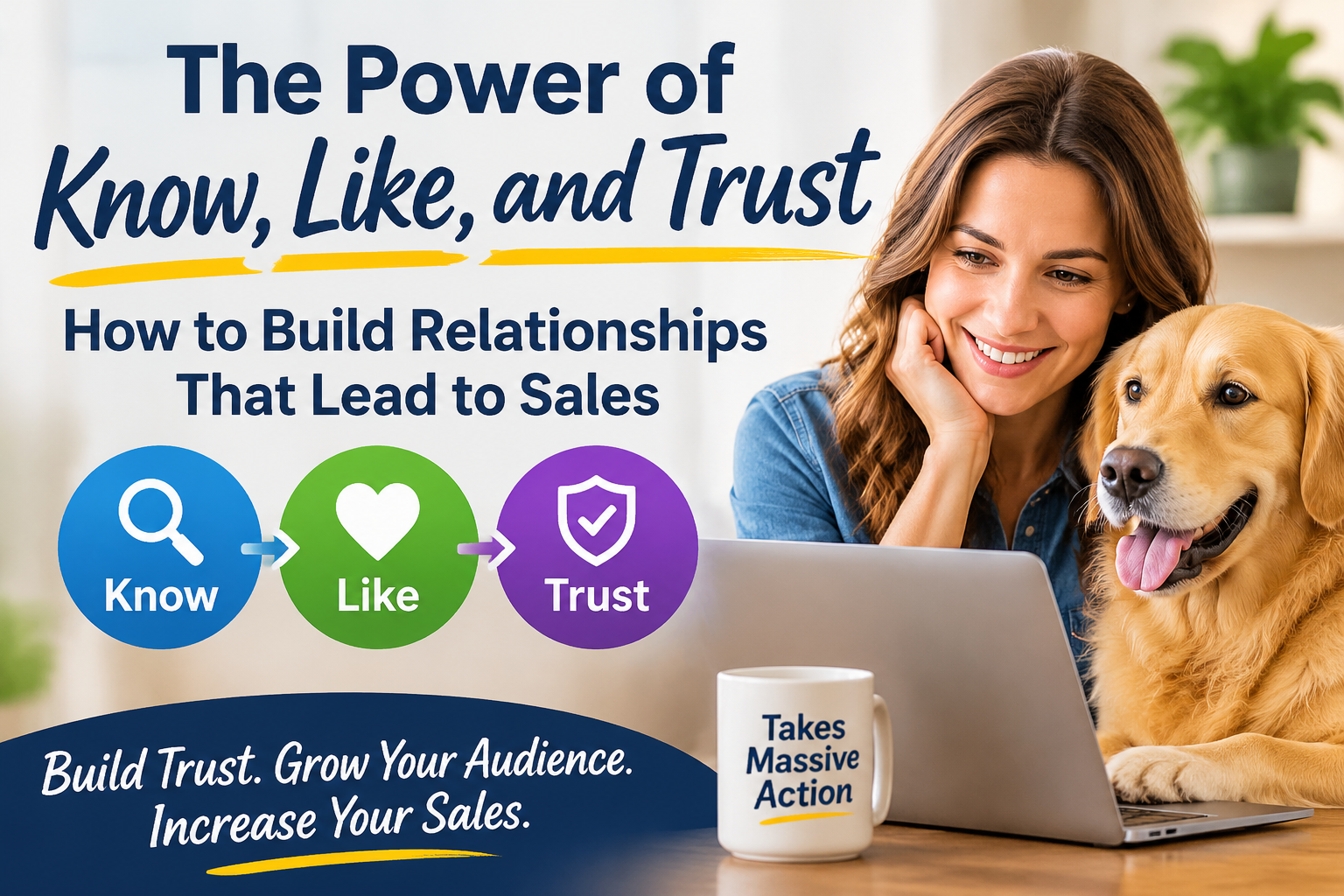
People rarely buy from someone they don’t know, especially online. With so many websites, advertisements, and offers competing for attention, building trust has become one of the most important parts of successful marketing.
That’s where the know, like, and trust factor comes into play.
Whether you’re building an affiliate marketing business, selling your own products, or growing a blog, understanding how relationships influence buying decisions can help you create a stronger foundation for long-term success.
What Is the Know, Like, and Trust Factor?
The know, like, and trust factor is a simple marketing principle: people are often more comfortable doing business with individuals or brands they recognize, connect with, and believe are credible.
It involves three important stages.
1. Know: Help People Discover Who You Are
Before someone can become a customer, they need to discover your business.
This might happen through a Pinterest pin, a helpful blog article, a YouTube video, or a recommendation from someone they know.
Your first goal isn’t necessarily to make a sale. It’s to introduce yourself and provide something valuable.
For example, imagine someone searching Pinterest for ways to train a dog that constantly pulls on its leash.
They discover your pin offering helpful dog-training tips and click through to your website.
That first interaction introduces them to your content. They now know you exist.
2. Like: Create a Genuine Connection
Once people discover your business, the next challenge is giving them a reason to return.
People are more likely to engage with content that speaks directly to their needs, interests, and problems.
You can build that connection by:
- Sharing useful tips without expecting anything in return.
- Writing in a friendly, conversational style.
- Understanding your audience’s challenges.
- Being consistent with your message.
- Offering practical solutions rather than constant sales pitches.
For example, instead of immediately promoting an expensive dog-training program, you might share three simple techniques that help owners practice basic commands.
Your audience begins associating your website with helpful information.
That’s how familiarity can develop into a positive relationship.
3. Trust: Give People Confidence in Your Recommendations
Trust is often the most important part of the process.
Someone may recognize your website and enjoy your articles, but that doesn’t automatically mean they’re ready to purchase something you recommend.
Trust develops when your actions consistently match your promises.
If you’re promoting affiliate products, that means being transparent about your affiliate relationships and recommending products based on accurate information.
Avoid exaggerated claims, unrealistic promises, and misleading testimonials.
Instead, explain what a product offers, who it may be suitable for, and any limitations potential buyers should understand.
When visitors believe you’re providing information to help them make informed decisions, they’re more likely to consider your recommendations.
Why Know, Like, and Trust Matters in Affiliate Marketing
Affiliate marketing offers an opportunity to earn commissions by referring customers to other businesses.
However, simply placing affiliate links throughout a website doesn’t guarantee results.
Successful affiliate marketing often begins by helping people solve problems.
Consider this example:
A Pinterest user discovers a pin titled “5 Common Dog Training Mistakes New Owners Make.”
They click through to an article explaining those mistakes and how to avoid them.
The article offers helpful information and introduces an optional dog-training resource for readers who want additional guidance.
Instead of feeling pressured into buying something, visitors can decide whether the recommended resource fits their needs.
This approach creates a more natural path from discovery to a potential purchase.
How to Build Know, Like, and Trust With Your Blog
Your blog can become a central part of your relationship-building strategy.
Publish Content That Answers Real Questions
Think about the questions your ideal audience is asking.
What problems are they trying to solve? What information would make their lives easier?
Create articles that answer those questions clearly.
Helpful content gives people a reason to visit your website and return when they need additional information.
Be Consistent With Your Message
Consistency helps readers understand what your website represents.
You don’t have to publish something every day. Focus on creating useful content on a schedule you can maintain.
Over time, your articles can become a collection of resources that support your audience.
Use Pinterest to Introduce New Visitors to Your Content
Pinterest can be a useful discovery platform for bloggers and affiliate marketers.
A well-designed pin can attract attention by highlighting a problem or promising useful information.
However, the destination page must deliver what the pin promises.
If your pin advertises beginner dog-training tips, visitors should find those tips when they click.
Matching expectations with useful content is an important part of building trust.
Build an Email List Through Valuable Offers
An email list gives interested visitors a way to stay connected with your business.
A free checklist, beginner’s guide, or helpful resource can encourage people to subscribe.
Once someone joins your list, provide useful information rather than sending nothing but promotional messages.
Always obtain appropriate consent and make unsubscribing easy.
A thoughtful email strategy can help develop relationships over time.
Common Mistakes That Damage Trust
Building trust takes effort, but certain marketing habits can quickly undermine it.
One common mistake is promoting products without understanding what they offer.
Another is making unrealistic claims about income, performance, or results.
Visitors may also become frustrated when websites use misleading headlines, confusing redirects, or excessive promotional messages.
The better approach is straightforward: respect your audience’s time, explain your recommendations clearly, and deliver the information you’ve promised.
Does Know, Like, and Trust Guarantee Sales?
No marketing principle guarantees sales.
People consider many factors before purchasing, including price, personal needs, timing, product quality, and available alternatives.
However, building familiarity, creating positive experiences, and demonstrating credibility can help reduce uncertainty.
The purpose of know, like, and trust isn’t to manipulate people into buying.
It’s to create an environment where visitors feel comfortable learning about your recommendations and making their own decisions.
Final Thoughts: Relationships Come Before Results
The power of know, like, and trust comes from understanding a simple truth: behind every website visit, email subscription, and purchase is a real person.
Focus first on helping that person.
Create useful content, communicate clearly, and recommend products responsibly.
Over time, those efforts can help turn unfamiliar visitors into returning readers and, potentially, loyal customers.
At Takes Massive Action, we believe progress begins with taking meaningful steps.
Start by providing value, build genuine relationships, and give people a reason to trust what you share.